Home › Commercial Gravel-to-Asphalt Conversions
Upgrade dusty, uneven surfaces with commercial gravel to asphalt conversions in Reno, NV from Precision Asphalt Reno. We reshape and reinforce existing gravel or dirt lots and roads, then install asphalt for a clean, low maintenance surface. Businesses benefit from better drainage, easier snow removal, and improved customer impressions. Request a site evaluation and cost comparison for converting your gravel areas.
Precision Asphalt Reno provides professional commercial gravel to asphalt throughout Reno, NV, Nevada and the surrounding area. Our licensed, insured crew delivers safe, clean, on-time work with a free estimate before anything begins. Call (775) 370-7037 or request your free quote.
Turn Your Gravel Lot Into a Professional Asphalt Surface
If you manage a commercial property in Reno, you already know how frustrating a gravel lot can be. Dust on customer vehicles, ruts after every storm, and constant grading all add up. Precision Asphalt Reno specializes in commercial gravel to asphalt conversions that turn loose, uneven rock into a clean, durable paved surface that reflects well on your business and stands up to our Northern Nevada climate.
We focus specifically on commercial properties: office complexes, industrial yards, retail centers, small business parking lots, and HOA common areas. Our team looks at how your site actually functions, including vehicle types, delivery truck routes, trash enclosure access, snow plow patterns, and ADA access, then designs an asphalt solution that fits your day to day operations.
Every conversion we do in Reno is engineered for temperature swings, high altitude UV exposure, and freeze thaw cycles. We help you choose the right pavement structure for our area, not a one size fits all design pulled from a generic spec book. That is what keeps your lot from cracking prematurely and protects your investment for the long term.
Site Evaluation and Planning for Reno Conditions
Before any commercial gravel to asphalt conversion, we start with a detailed site evaluation. A Precision Asphalt Reno estimator walks the entire area with you, looking at current drainage patterns, low spots that hold water, evidence of soft subgrade, and traffic flow. We measure the lot, mark property lines and easements, and identify existing utilities like sewer cleanouts, water valves, and electrical vaults that will need to remain accessible after paving.
Reno’s soil conditions vary a lot from one block to the next. Some properties sit on compact, well draining granular soil, while others have pockets of clay that stay wet and pump under truck traffic. During our evaluation we probe the existing gravel and underlying soil to see how deep the current base is and whether it has been properly compacted. If necessary we recommend test pits to check subgrade conditions before you commit to a final design.
We also plan around our regional weather. Large commercial conversions are usually scheduled between late spring and early fall when daytime temperatures are consistently above 50 degrees and overnight lows do not drop below freezing. If work must be done in shoulder seasons, we adjust start times and staging so asphalt is placed and compacted at the correct temperature, which is critical to long term performance in Reno’s hot summer and cold winter environment.
Preparation: Grading, Base Work, and Drainage Solutions
The most important part of a commercial gravel to asphalt project is what happens before the first load of asphalt ever arrives. Precision Asphalt Reno begins by shaping and stabilizing the base that will support your pavement. We remove excess loose gravel, relocate material as needed, and, if required, import additional aggregate base to achieve the proper depth and uniformity for commercial traffic.
Using laser guided grading equipment, we establish consistent slopes so water flows away from buildings and does not pond in the middle of your parking lot. In Reno, poor drainage is a main cause of early asphalt failure, especially when standing water freezes and thaws. Where existing grades cannot be changed easily, we may install catch basins, trench drains, or valley gutters and tie them into your storm system to keep water under control.
Once grades are set, we compact the base using vibratory rollers and plate compactors around edges and structures. Our crews perform proof rolling, which means we drive heavy equipment over the surface to reveal soft spots. Any areas that deflect or rut are undercut and rebuilt with new base rock instead of being paved over. This approach prevents future depressions under truck paths, dumpster pads, and delivery areas that see the heaviest loads.
If your gravel lot has chronic dust or soft, pumping areas, we may recommend adding a geotextile fabric between subgrade and base rock or using a stronger base aggregate. These options cost a bit more up front, but in Reno’s dry summers and occasional intense storms they significantly reduce maintenance and extend the life of the asphalt above.
Asphalt Design, Thickness Options, and Installation Steps
For each commercial gravel to asphalt conversion, we tailor the pavement section to your traffic. Light duty customer parking with passenger vehicles is typically paved with 2.5 to 3 inches of hot mix asphalt over a compacted aggregate base. Areas that see consistent delivery trucks, RVs, or small semi traffic usually need 3 to 4 inches, sometimes placed in two lifts for better compaction. Trash enclosure approaches and loading zones may require even thicker sections or reinforced concrete pads tied into the asphalt.
Precision Asphalt Reno works with Nevada approved hot mix asphalt designs suited to our climate. We select mixes with the right aggregate size and binder content to resist rutting in summer heat and cracking in winter cold. For most commercial lots we recommend a dense graded surface mix that provides a smooth, quiet ride, good skid resistance, and easy maintenance.
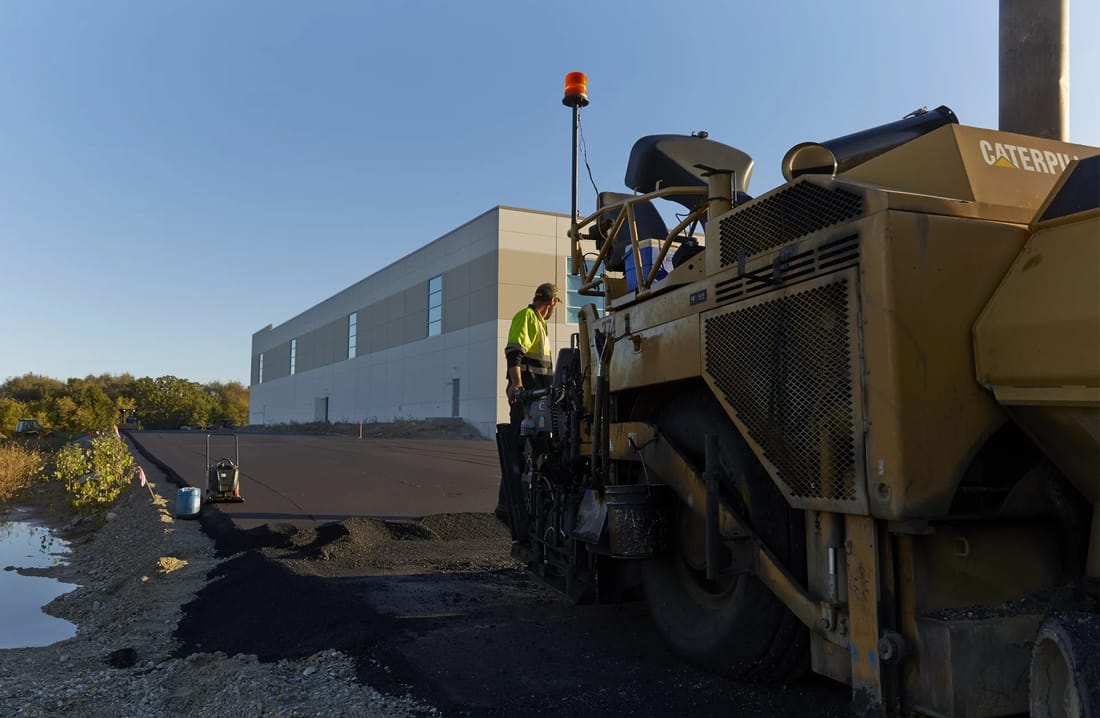
On paving day, we coordinate truck deliveries so the paver receives a steady flow of asphalt, which helps avoid cold joints that can fail prematurely. Our crew places asphalt using a self propelled paver to achieve consistent depth and smoothness, then immediately follows with steel drum and pneumatic rollers for proper compaction. Handwork around bollards, curbs, utility lids, and tight corners is done carefully so there are no thin areas that break down early.
After asphalt placement, we compact all joints thoroughly and check the finished surface for proper slope. Final rolling is timed so the surface is dense but not overworked, which can bring excess binder to the top. We typically recommend keeping heavy vehicles off new asphalt for at least 24 to 48 hours in Reno’s climate, with detailed guidance based on weather conditions the week of your project.
Local Cost Factors, Common Issues, and How We Prevent Them
Commercial gravel to asphalt conversions in Reno are influenced by several local factors. The biggest cost drivers are lot size, required asphalt thickness, base repair or replacement, drainage improvements, and access for trucks and equipment. A large open lot with good existing base is more cost effective per square foot than a smaller, chopped up area that needs extensive grading or drainage structures.
Another key factor is how much of your existing gravel base can be reused. If your lot has been regularly maintained and drains well, we may be able to regrade and compact what is there with minimal import, which saves material and trucking costs. If years of rutting and poor drainage have contaminated the base with fine soils or created deep soft pockets, more excavation and replacement will be required to avoid premature failure and costly repairs later.
Common issues on these projects include discovering hidden soft areas, uncovering undocumented utilities in the gravel, and managing customer or tenant access during construction. Precision Asphalt Reno mitigates these risks through thorough pre job planning, clear phasing, and communication. We can break the project into sections so parts of your lot remain usable, schedule work during your slowest business times, and set up temporary access routes for deliveries and emergency vehicles.
We are also realistic about Reno’s afternoon winds and sudden storms. Our team watches forecasts closely and will not start a large paving area if there is a significant chance of rain, which can cool the mat too quickly or contaminate the surface with dust. This conservative approach protects your investment and prevents quality problems that might not show up until months after the job is finished.
Markings, ADA Compliance, and Ongoing Care
A successful commercial gravel to asphalt conversion does not end when the rollers leave. Precision Asphalt Reno helps you finish the project with professional striping and signage so your new lot is safe, organized, and code compliant. We lay out parking stalls, accessible spaces, fire lanes, loading zones, and directional arrows in a way that matches how your property actually operates, not just a generic template.
We pay special attention to ADA compliance. Because we are converting from gravel, there often was no clearly defined accessible route before paving. We verify slopes for accessible parking spaces and access aisles, provide concrete ramps where needed, and mark van accessible stalls correctly. This protects your customers and reduces your risk of accessibility complaints.
For long term performance, we provide a maintenance plan tailored to Reno, including when to consider sealcoating, how to handle snow removal on new asphalt, and which deicing products are less harsh on pavement. We explain how to watch for early signs of stress, such as minor cracking in heavy traffic lanes or settlement at utility cuts, so you can address issues while they are still simple and affordable to fix.
From initial evaluation through final striping, Precision Asphalt Reno treats your property like it is our own. Our goal is to give you a smooth transition from dust and ruts to clean, functional asphalt that elevates your business and holds up to Reno’s demanding weather and traffic conditions.